
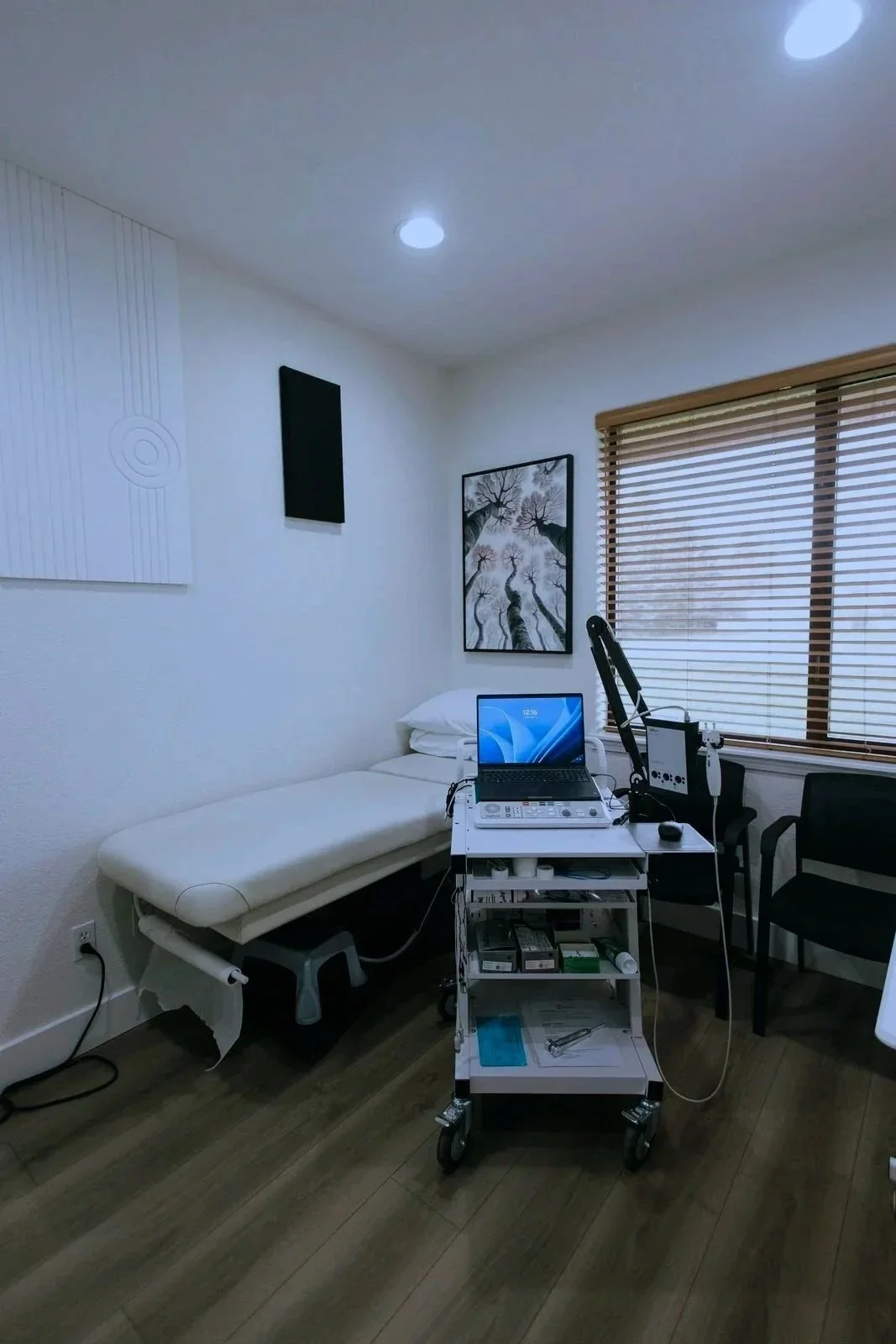
Services
Physician-led PM&R, diagnostics, and integrative care
Care begins with the right clinical question, then moves toward the least intervention necessary for the greatest functional gain.
Clinical services
Specific service areas
PM&R evaluation and management
Physician-led physical medicine and rehabilitation for pain, neurologic injury, mobility limitations, adaptive recovery, and long-term functional planning.
Functional mobility limitations
Assessment and planning for walking, balance, transfers, endurance, bracing, adaptive equipment, and return to meaningful daily activity.
EMG/NCS diagnostic testing
Electrodiagnostic testing to help clarify nerve, muscle, numbness, tingling, weakness, and radicular symptom questions.
Botulinum toxin therapy
Evaluation and treatment planning for selected botulinum toxin therapies, including spasticity, cervical dystonia, and chronic migraine when clinically appropriate.
Extracorporeal shockwave therapy
Modern in-office treatment considered for selected tendon and soft-tissue conditions after a diagnosis-focused exam.
Acute and chronic pain
Careful diagnostic reasoning for pain that interferes with movement, work, training, sleep, or quality of life, with treatment matched to the clinical picture.
Neurologic and neuromuscular conditions
Rehabilitation-oriented care for stroke, spinal cord injury, traumatic brain injury, peripheral nerve injury, and neuromuscular conditions.
Ultrasound-guided injections
Image-guided procedures focused on precision, comfort, and a clearer relationship between diagnosis and intervention.
Prosthetic and orthotic evaluation
Prescription and planning support for prosthetic, orthotic, mobility, and function-focused equipment questions.
Integrative and functional medicine
Functional restoration that can include movement, nutrition, mindset, procedures, medications when necessary, and collaborative care.
Integrated care planning
Care that connects the clinical question to the next right step.
Wayfinder's work is intentionally integrated. Diagnostic testing, procedures, rehabilitation planning, and functional medicine are selected because they answer a clinical question or support a measurable functional step.
-
PM&R visits can address acute and chronic pain, functional mobility limitations, neurologic injury, neuromuscular conditions, adaptive equipment needs, and return-to-function planning.
-
Care may involve stroke, spinal cord injury, traumatic brain injury, peripheral nerve injury, neuromuscular conditions, gait changes, balance, bracing, endurance, and functional independence.
-
EMG/NCS can help clarify nerve and muscle questions such as numbness, tingling, weakness, radiculopathy, neuropathy, entrapment neuropathy, or neuromuscular concerns.
-
Ultrasound guidance is used when real-time imaging can improve precision, confirm anatomy, or guide a focused intervention.
-
Evaluation can include selected botulinum toxin treatment planning for spasticity, cervical dystonia, and chronic migraine, with dosing and targets guided by the clinical exam and diagnosis.
-
Care may include spasticity management, prosthetic and orthotic prescription, bracing considerations, and coordinated planning with therapy and equipment partners.
-
Care may include movement, nutrition, mindset, procedures, medications when necessary, and collaborative care, with functional restoration as the central goal.
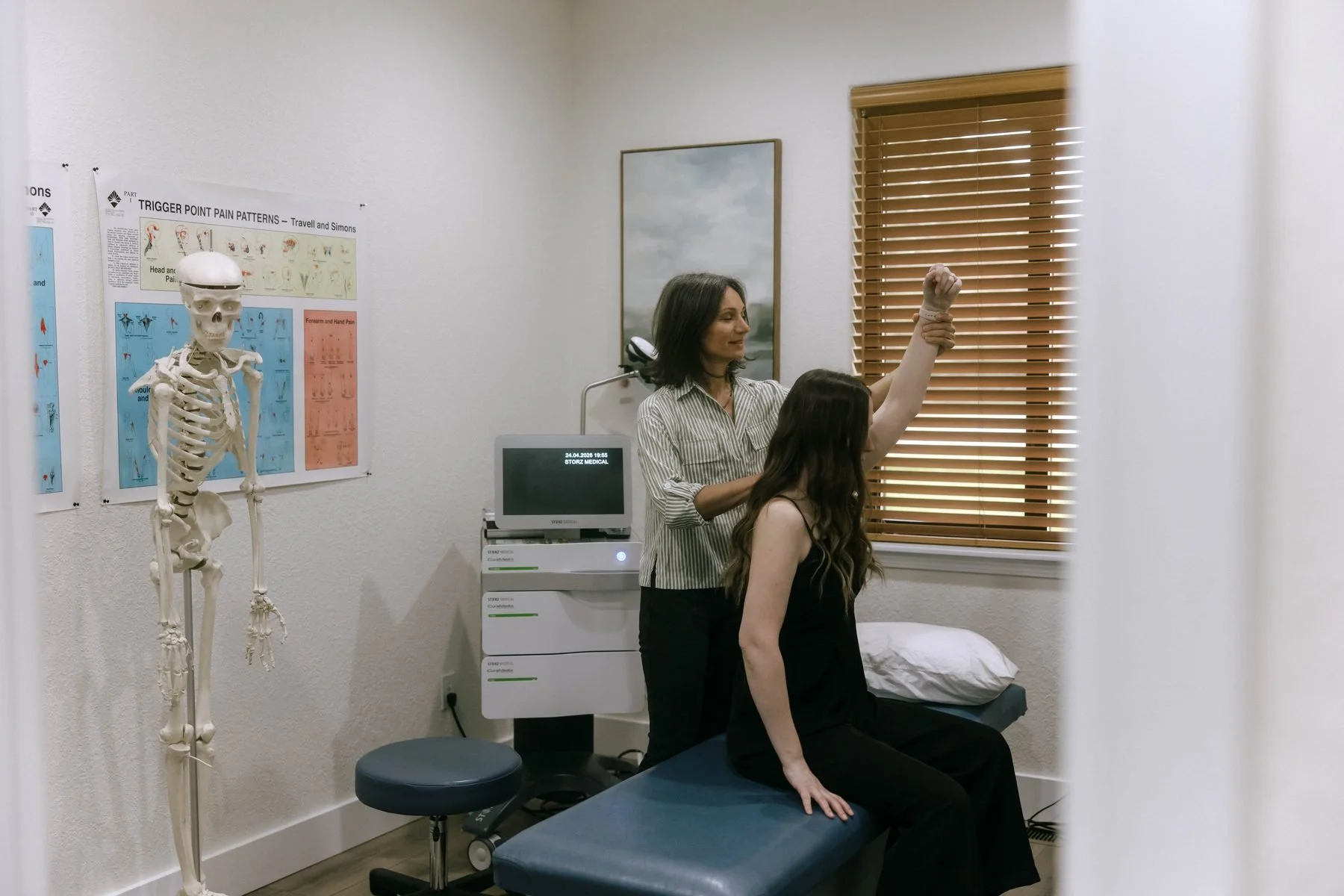
Targeted therapies
Targeted treatment for spasticity, cervical dystonia, chronic migraine, and soft-tissue pain.
Wayfinder evaluates botulinum toxin therapy through a PM&R lens for selected spasticity, cervical dystonia, and chronic migraine care plans. Radial pulse wave and focused shockwave therapies may also be considered for selected tendon and soft-tissue conditions.
Botulinum toxin therapy for limb spasticity, cervical dystonia, and chronic migraine indications
Radial pulse wave therapy for selected musculoskeletal concerns
Focused shockwave therapy for selected tendon and soft-tissue conditions
Oral medication management for spasticity and tone
Splinting, bracing, and custom orthotic prescriptions to support tone management and help reduce contracture risk
Coordination with therapy, referring clinicians, and longer-term functional goals
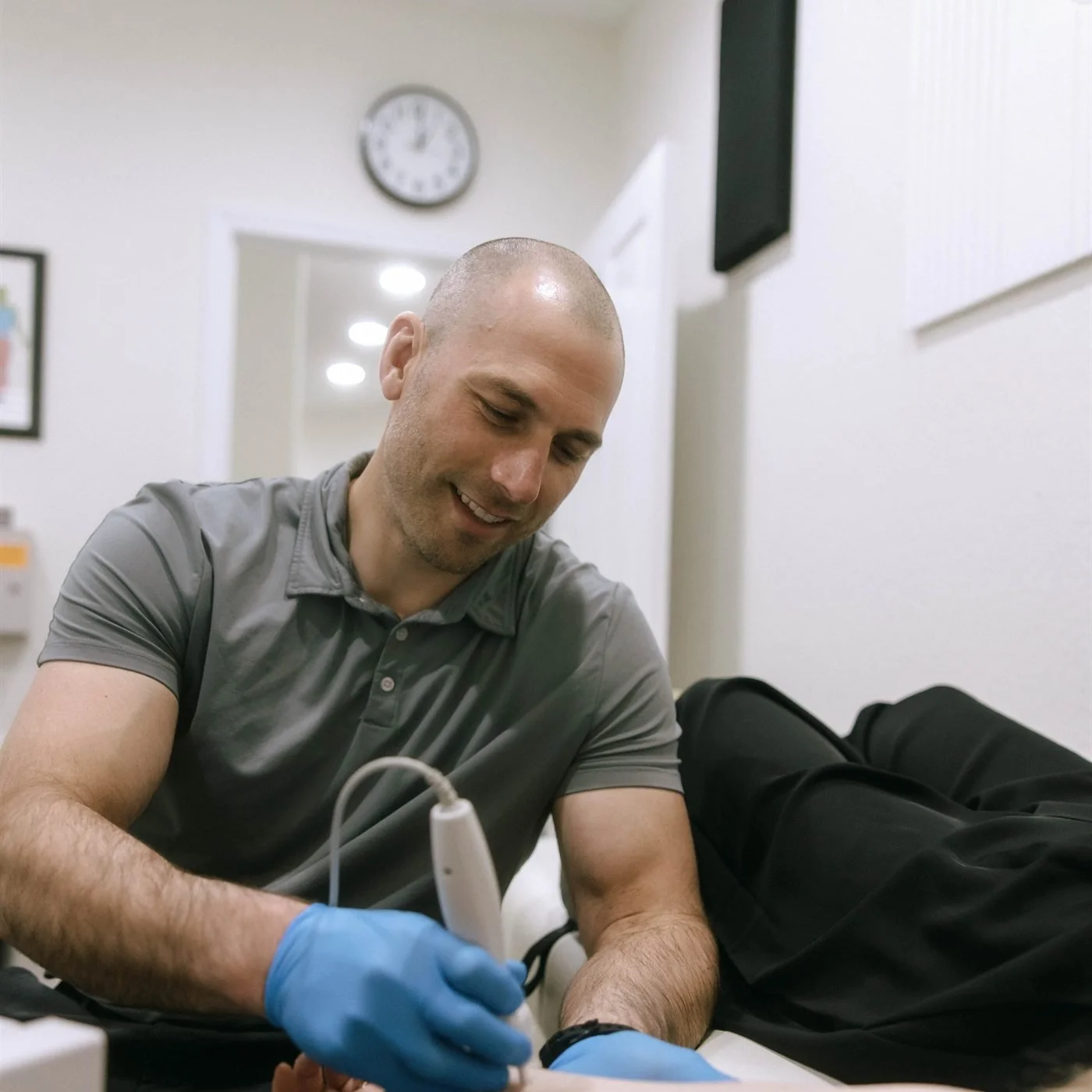
Functional restoration
Care that connects diagnosis to real life.
Wayfinder works with people who ski, hike, lift, cycle, run, work on their feet, manage neurologic changes, use adaptive equipment, or want to stay strong into midlife and beyond. The visit stays practical: what hurts, what needs to be clarified, and what the next step looks like.
Persistent tendon or joint pain
Numbness, tingling, weakness, or nerve symptoms
Stroke, spinal cord injury, traumatic brain injury, and neuromuscular conditions
Prosthetic, orthotic, bracing, and mobility questions
Non-surgical options before escalating intervention
01
Start with the question
What are we trying to clarify: pain source, nerve function, mobility barrier, adaptive need, procedure fit, or recovery plan?
02
Match the right tool
EMG/NCS, ultrasound-guided injections, shockwave therapy, rehabilitation planning, and medication decisions should follow the diagnosis.
03
Plan the next move
The goal is not just a visit. It is a useful direction for function, resilience, comfort, and meaningful activity.
Next step
Ready to find the right route?
Call Wayfinder to discuss scheduling, referrals, or the best first step for your situation.