
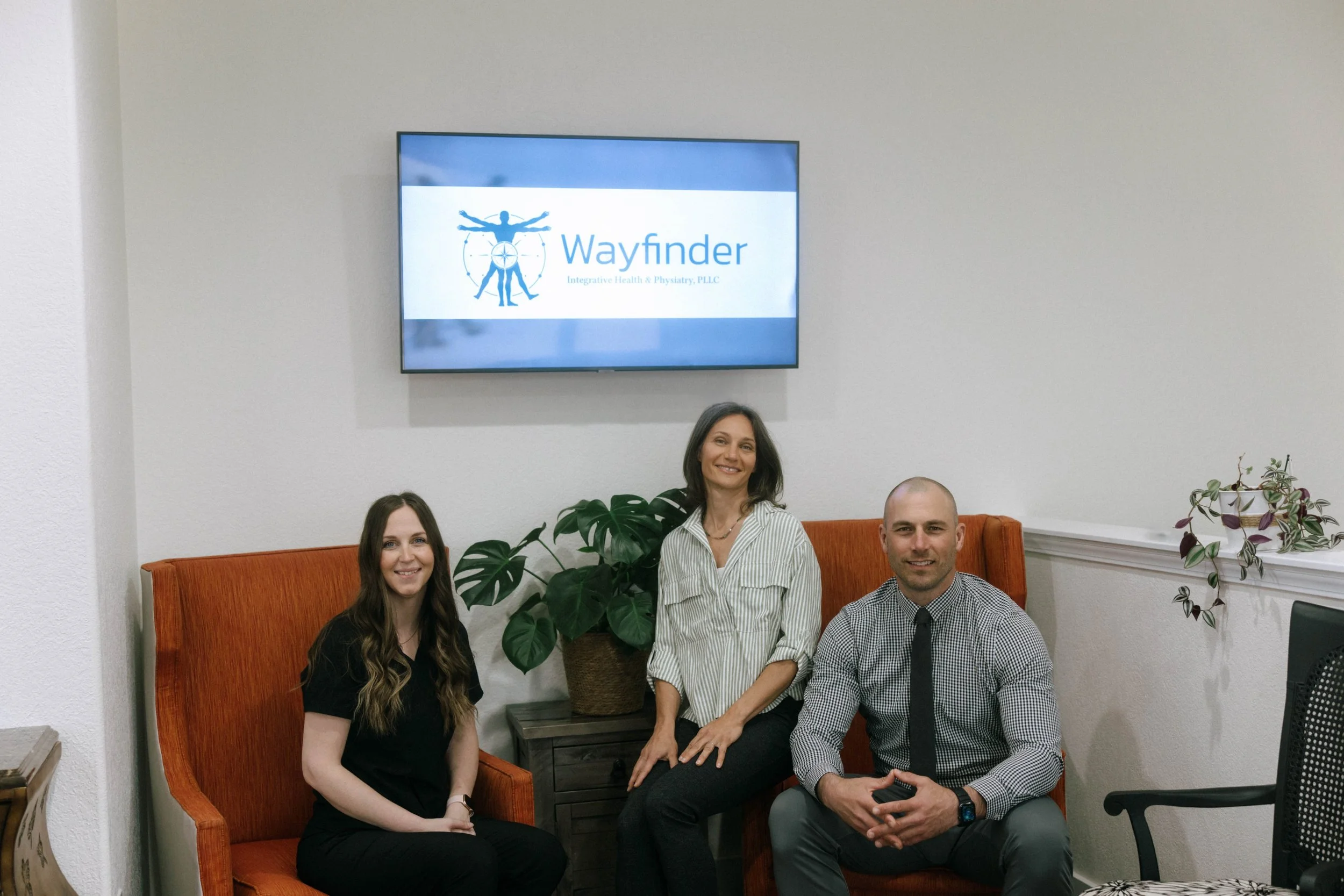
Guiding Recovery.
Restoring Function.
Redefining Health.
PHYSIATRY (PM&R) • INTEGRATIVE MEDICINE • KALISPELL, MONTANA
Physical medicine and rehabilitation (PM&R) and integrative medicine in Kalispell, serving the Flathead Valley and Northwest Montana.
PM&R, pain, mobility, neurologic recovery, and functional restoration
Nerve and muscle testing for diagnostic clarity
Targeted therapy for selected tone, dystonia, and chronic migraine questions
Technology-supported care for selected tendon and soft-tissue conditions
Referrals, EMG/NCS, prosthetic/orthotic questions, and shared care
Functional restoration, not symptom-chasing
Physician-led care for bodies built to adapt.
Wayfinder combines diagnostic reasoning, hands-on treatment, and technology-supported precision with an integrative view of health. The focus is not simply reducing symptoms; it is helping the body regain balance, resilience, and useful function with the least intervention necessary.
Our philosophy
Adaptive medicine with clinical precision.
Physician-Led Care
Evaluation and treatment are guided by physicians trained to connect anatomy, physiology, function, and the lived demands of each patient.
Functional Integration
Wayfinder looks beyond symptom-chasing to understand how pain, mobility, nervous system function, recovery capacity, and daily life influence one another.
Technology-Driven Precision
Tools such as EMG/NCS, ultrasound guidance, and shockwave therapy are used when they can clarify the problem or focus treatment.
Collaborative Healing
Care may involve referring physicians, therapists, prosthetists, orthotists, and community partners so patients are supported by the right team.
Minimalism in Medicine
The goal is the least intervention necessary for the greatest functional gain, with escalation only when it is clinically useful.
Wayfinder's approach is shaped by adaptation: the body responds to the right amount of stress, support, recovery, and guidance. Concepts such as hormesis and allostasis inform the thinking, but the visit stays practical and patient-centered.
Services
Specific clinical routes into care
PM&R/Physiatry evaluation and management
Physician-led physical medicine and rehabilitation for pain, neurologic injury, mobility limitations, adaptive recovery, and long-term functional planning.
Neurologic and neuromuscular conditions
Rehabilitation-oriented care for stroke, spinal cord injury, traumatic brain injury, peripheral nerve injury, and neuromuscular conditions.
Botulinum toxin therapy
Evaluation and treatment planning for selected botulinum toxin therapies, including spasticity, cervical dystonia, and chronic migraine when clinically appropriate.
Integrative and functional medicine
Functional restoration that can include movement, nutrition, mindset, procedures, medications when necessary, and collaborative care.
Acute and chronic pain
Careful diagnostic reasoning for pain that interferes with movement, work, training, sleep, or quality of life, with treatment matched to the clinical picture.
EMG/NCS diagnostic testing
Electrodiagnostic testing to help clarify nerve, muscle, numbness, tingling, weakness, and radicular symptom questions.
Prosthetic and orthotic evaluation
Prescription and planning support for prosthetic, orthotic, mobility, and function-focused equipment questions.
Functional mobility limitations
Assessment and planning for walking, balance, transfers, endurance, bracing, adaptive equipment, and return to meaningful daily activity.
Ultrasound-guided injections
Image-guided procedures focused on precision, comfort, and a clearer relationship between diagnosis and intervention.
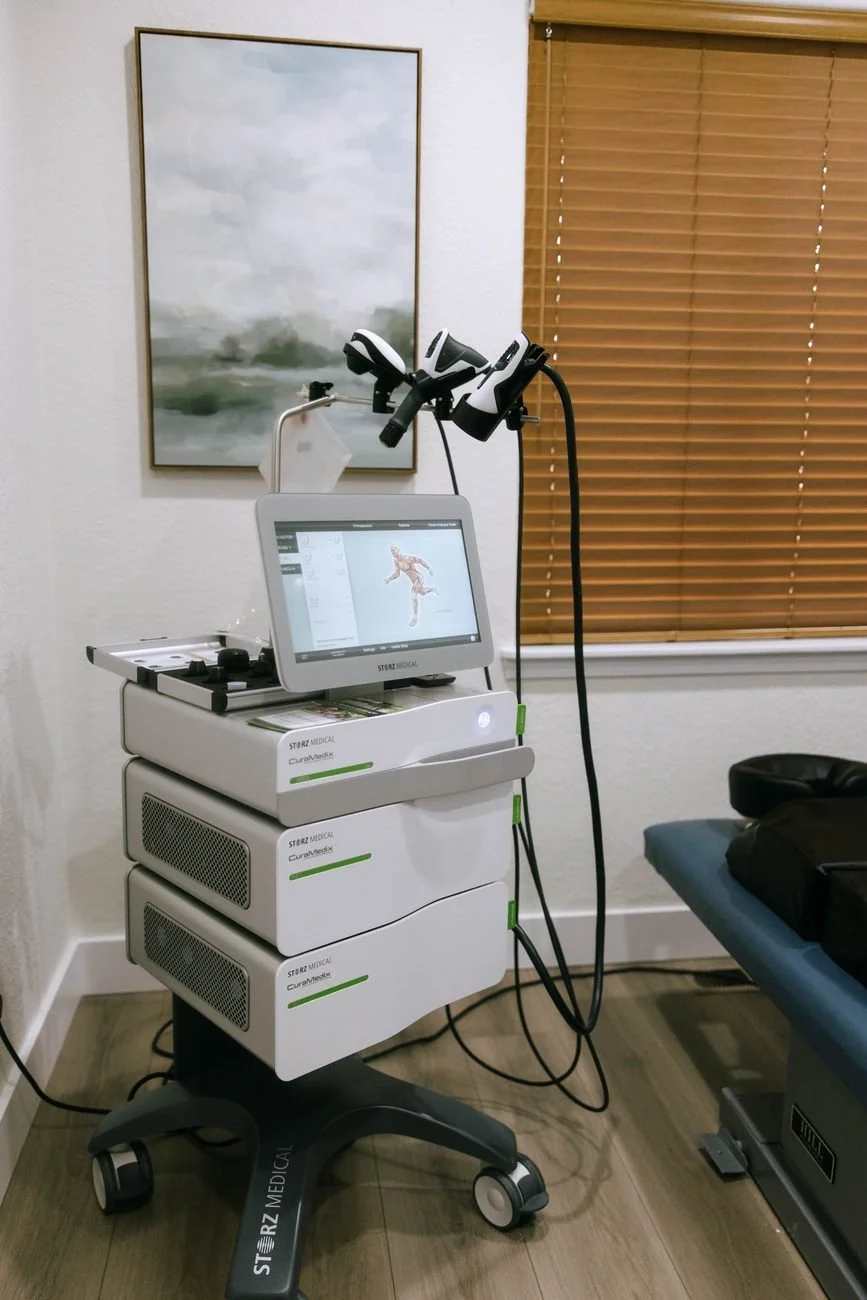
Extracorporeal shockwave therapy
Modern in-office treatment considered for selected tendon and soft-tissue conditions after a diagnosis-focused exam.

Clinic experience
Calm setting. Precise practice.
The clinic is intentionally warm, grounded, and restorative, but the medical work remains precise. Patients see real treatment rooms, real staff, advanced equipment, and a space that supports focus rather than overwhelm.
Integrative care may include movement, nutrition, mindset, procedures, medications when necessary, and collaboration with the clinicians already involved in a patient's care.
WHO WAYFINDER SERVES
Clear paths for patients and clinical partners
Patients
For people seeking a deeper look at pain, function, mobility, performance, neurologic recovery, or long-term health.
Referring physicians
For diagnostic questions, EMG/NCS, procedure consideration, PM&R management, and non-surgical functional restoration.
Therapists
For shared planning around mobility, strength, tone, bracing, pain generators, and return-to-activity goals.
Prosthetists and orthotists
For prescription support, functional evaluation, equipment needs, and collaborative adaptive care.
Community medical partners
For coordinated care when recovery requires multiple perspectives and a clear clinical question.
Treatment spotlight
A regenerative treatment for chronic pain and musculoskeletal skeletal injuries or conditions
Shockwave therapy is one of Wayfinder's modern in-office tools for selected tendon and soft-tissue problems. It starts with a diagnosis-focused visit so the treatment fits the tissue, timeline, patient goals, and larger recovery plan.
PROVIDERS
Meet the team.
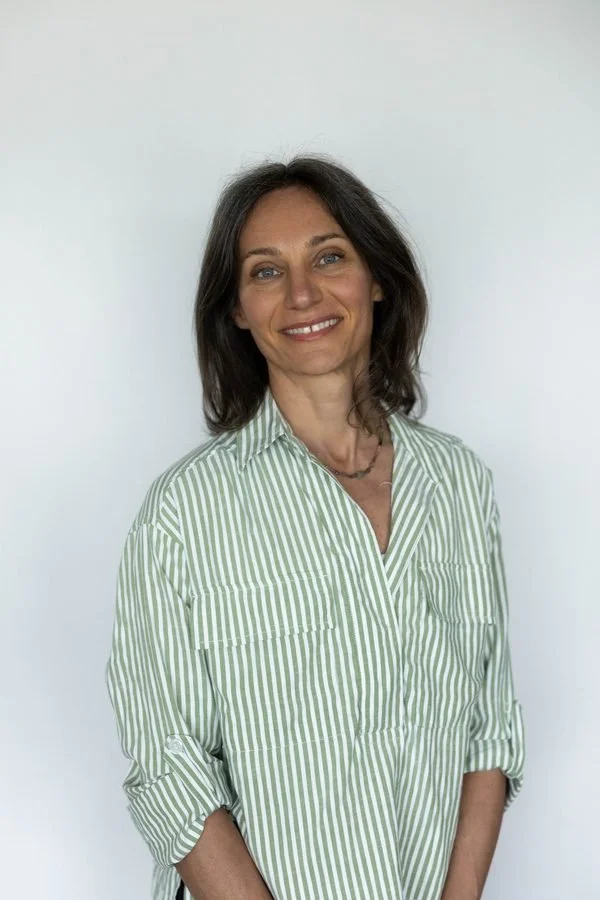
Jennifer Jamrog, DO
Board-certified Neuromusculoskeletal Medicine and Osteopathic Manipulative Medicine physician
Integrative, diagnosis-focused care for people who want a deeper look at pain, function, adaptation, and the path back to doing what matters.
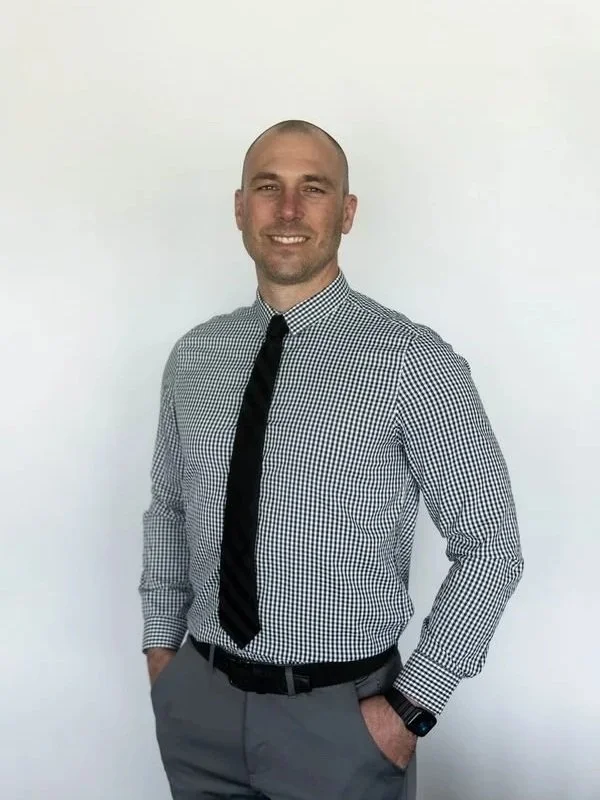
Austin Johnston, DO
Board-certified Physical Medicine and Rehabilitation physician
Diagnostic and non-surgical physiatry care with an athlete-minded approach to recovery, function, and performance.
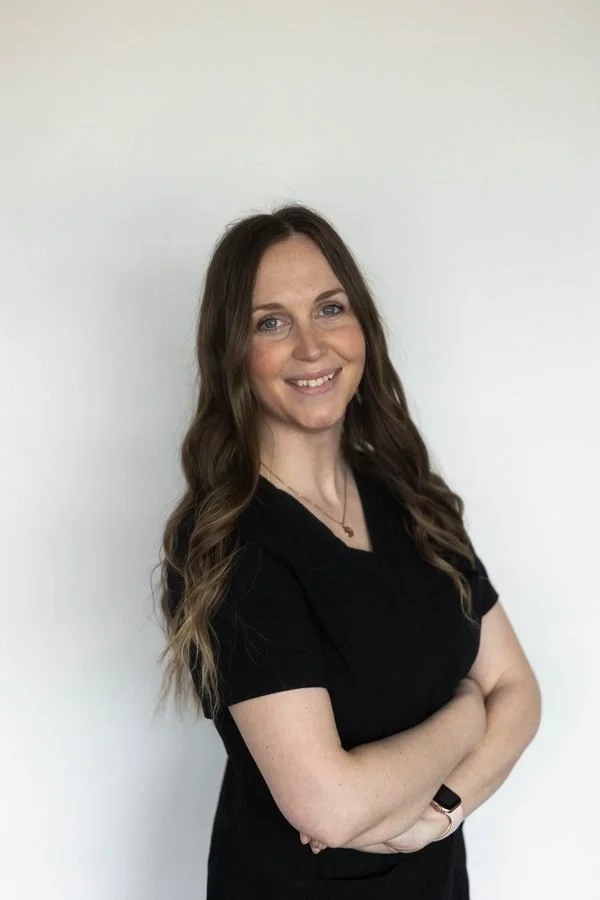
Jessica Buckley
Registered medical assistant / office staff
A welcoming first point of contact who helps patients and referring offices move through the next step clearly.

PATIENT QUESTIONS
Common questions before scheduling.
-
A physiatrist is a medical physician focused on physical medicine and rehabilitation, including pain, function, nerves, muscles, joints, movement, and non-surgical treatment planning.
-
Referral needs can vary by insurance, diagnosis, and clinical question. The best first step is to call the clinic so the team can route you correctly.
-
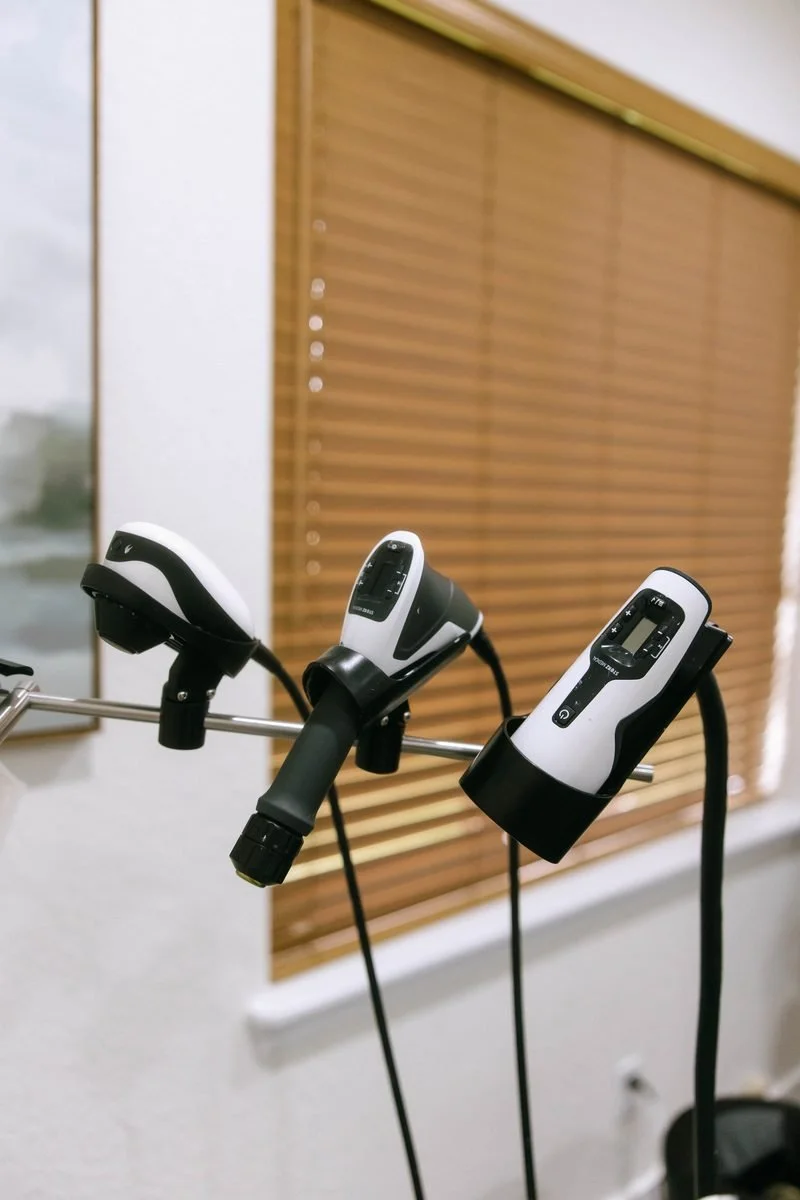
ESWT uses acoustic pressure waves delivered through a handheld applicator.
Over a course of treatments, shockwave therapy can improve the strength, pliability, and symmetry of injured tendons and ligaments. It’s also frequently used to prepare tissue in advance of PRP or other regenerative injections, optimizing the environment for those treatments to take effect.
-
Please call the clinic for medical questions. Email is for basic contact only and should not include medical history, diagnoses, medications, or other protected health information.
Next step
Ready to find the right route?
Call Wayfinder to discuss scheduling, referrals, or the best first step for your situation.