
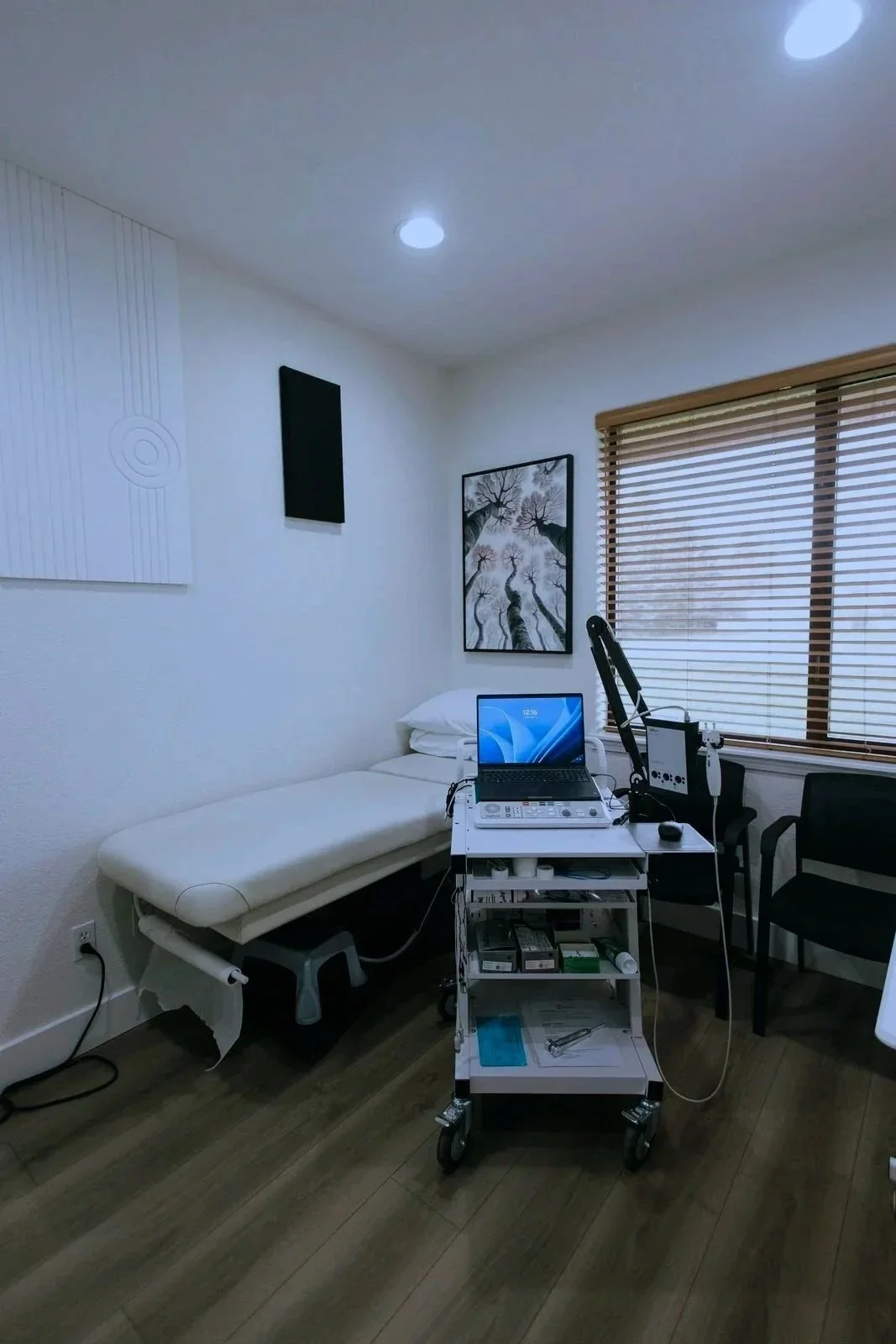
EMG/NCS testing
Physician-performed nerve and muscle testing
Nerve conduction studies and electromyography help clarify numbness, tingling, weakness, radiating pain, nerve injury, and neuromuscular questions.
Diagnostic clarity
An extension of the clinical exam, not a stand-alone screening test.
Electrodiagnostic studies evaluate the health and function of nerves and muscles. At Wayfinder, the visit includes a focused history, physical examination, testing, interpretation, and treatment-planning context.
Nerve conduction studies and needle EMG provide complementary information. Together, they can help localize the problem, assess severity and timing, and identify alternative or overlapping conditions that may change the next step.
Physician performed
Studies are personally performed and interpreted by a board-certified Physical Medicine and Rehabilitation physician.
Clinically grounded
Testing is selected around the question being asked: nerve root, peripheral nerve, muscle, injury timeline, recovery, or treatment planning.
Referral ready
Reports are written to help referring clinicians make decisions about therapy, procedures, surgery, bracing, monitoring, or additional workup.
Common evaluation questions
What EMG/NCS can help evaluate
Carpal tunnel and nerve entrapment
Testing can help evaluate carpal tunnel syndrome, cubital tunnel syndrome, tarsal tunnel syndrome, and other suspected compression neuropathies.
Cervical and lumbar radiculopathy
EMG/NCS may help clarify whether symptoms are related to nerve root irritation from the neck or low back.
Peripheral neuropathy
Studies can support evaluation of numbness, burning, tingling, or weakness related to peripheral nerve disease.
Brachial plexus and traumatic nerve injury
Electrodiagnostic testing can help localize injury, estimate severity, and follow recovery when nerve function is uncertain.
Weakness and muscle disease questions
Needle EMG can help distinguish nerve-related weakness from selected muscle disorders and other neuromuscular patterns.
Complex neuromuscular concerns
Testing may contribute to workup of motor neuron disease, neuromuscular junction disorders, unexplained wasting, cramping, or persistent weakness.
Testing is ordered and interpreted in the context of the clinical exam, symptoms, timing, and referral question.
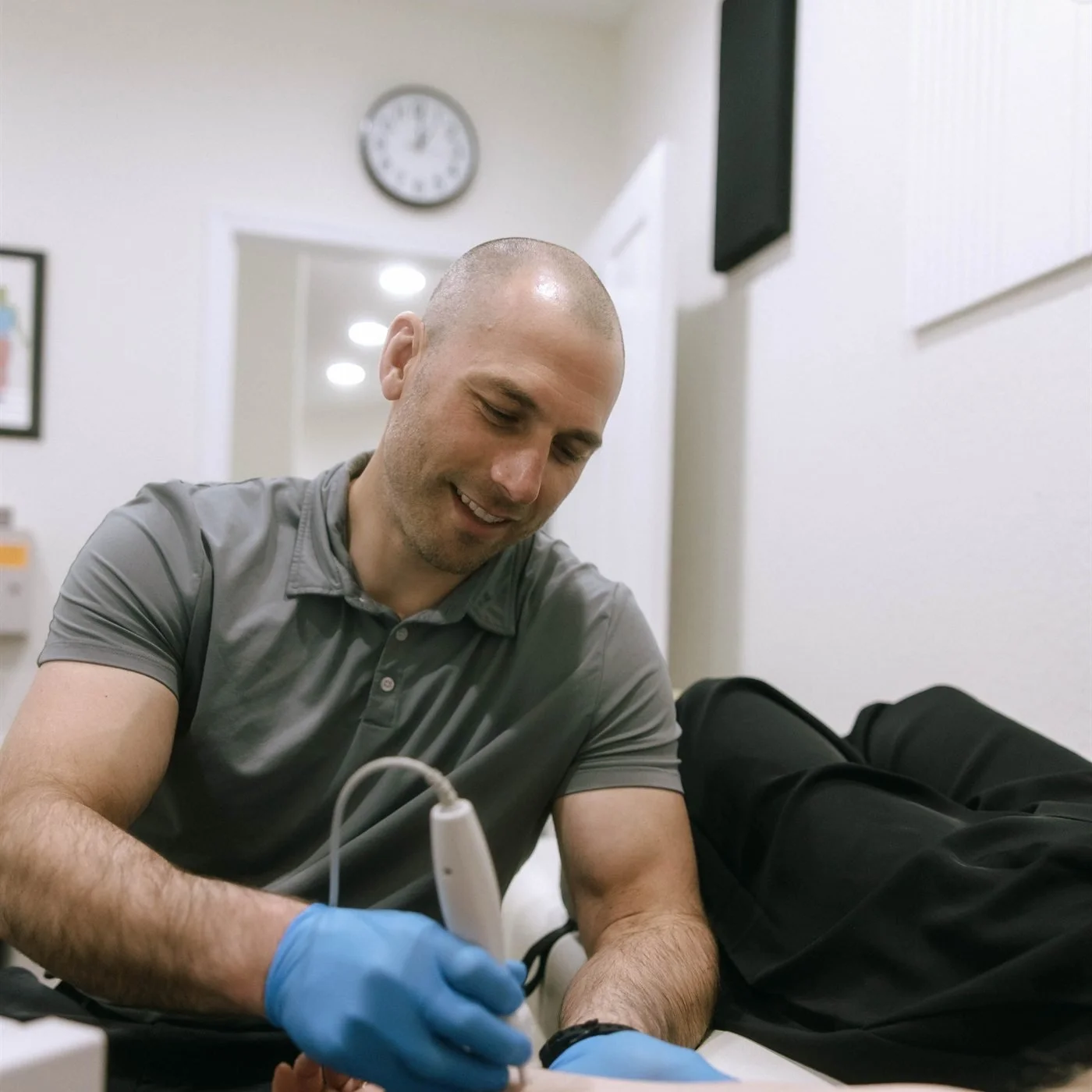
What the test measures
Nerves, muscles, signal quality, and recovery patterns.
Nerve conduction studies measure how quickly and strongly signals travel through selected nerves. This can help distinguish problems involving the nerve's insulation from problems involving the nerve fiber itself.
Needle EMG records muscle electrical activity. It can show whether a nerve injury is affecting the muscle, whether recovery is occurring, and whether the pattern points toward a nerve, muscle, or broader neuromuscular issue.
Conduction velocity, amplitude, and delay
Myelin versus axon involvement
Active denervation or chronic nerve injury patterns
Signs of reinnervation or recovery
Patient experience
What to expect during your visit
Before the study
Wear loose clothing and avoid lotions, creams, or oils on the day of testing. Please tell the office ahead of time if you have a pacemaker, cardiac defibrillator, or take blood-thinning medications.
During nerve conduction testing
Small skin electrodes are placed over selected nerves and muscles. Brief, mild electrical pulses are used to measure signal speed, response strength, and delay or blockage.
During needle EMG
A very thin needle electrode is placed into selected muscles. The physician evaluates electrical activity while the muscle is relaxed and during gentle contraction.
After the visit
There is no downtime. Most people return to normal activities immediately, and a detailed physician report is sent to the referring provider when appropriate.
Most studies take about 30 to 60 minutes, depending on the clinical question and the number of areas being tested.
For referring providers
Clear diagnostic information for treatment planning.
Electrodiagnostic studies can help confirm a suspected diagnosis, identify alternative or coexisting conditions, assess severity and chronicity, and guide treatment planning, including surgical decision-making when appropriate.
All studies at Wayfinder are personally performed and interpreted by a board-certified PM&R physician with more than 11 years of electrodiagnostic medicine experience, training at UT Southwestern Medical Center, and certification by the American Board of Physical Medicine and Rehabilitation.
Referral reasons
Numbness, tingling, burning, or sensory loss
Weakness in the arms or legs
Radiating neck or back pain into an extremity
Suspected nerve entrapment or compression
Unexplained muscle wasting, cramping, or fatigue
Traumatic nerve injury or post-surgical nerve function questions
Pre-surgical confirmation of nerve entrapment diagnosis
Helpful records
Referral reason, symptom timeline, relevant exam findings, imaging reports, prior treatments, and specific diagnostic question.
Routing
Fax referral materials to 877-418-8011. For urgent routing questions or appointment changes, call 406-607-6050.
Patient questions
Common questions before scheduling.
-
Nerve conduction studies measure how electrical signals travel through selected nerves. EMG uses a very thin needle electrode to record electrical activity in selected muscles at rest and with gentle contraction.
-
They answer different parts of the same nerve and muscle question. Interpreting them together helps the physician localize the problem, assess severity, and look for alternative or overlapping diagnoses.
-
Most studies take about 30 to 60 minutes, depending on the clinical question, the number of areas tested, and what the physician finds during the exam.
-
Wear loose clothing, avoid lotions or oils on the day of testing, and tell the office ahead of time if you have a pacemaker, defibrillator, or take blood-thinning medications.
-
No. Most people return to normal activities right away. The physician interprets the study and sends a detailed report to the referring provider when appropriate.
-
Please call the clinic for medical questions, appointment changes, referrals, or next steps. Email and website contact should not include protected health information.
Next step
Ready to find the right route?
Call Wayfinder to discuss scheduling, referrals, or the best first step for your situation.